8-point deer heads found as Game Commission probes suspected Slate Belt poaching, records say
With a Master's degree in Public Affairs from Penn State University, David has spent over a decade as a political reporter. He has previously reported for WITF, bringing a nuanced understanding of state and local politics to his current role.
More from David →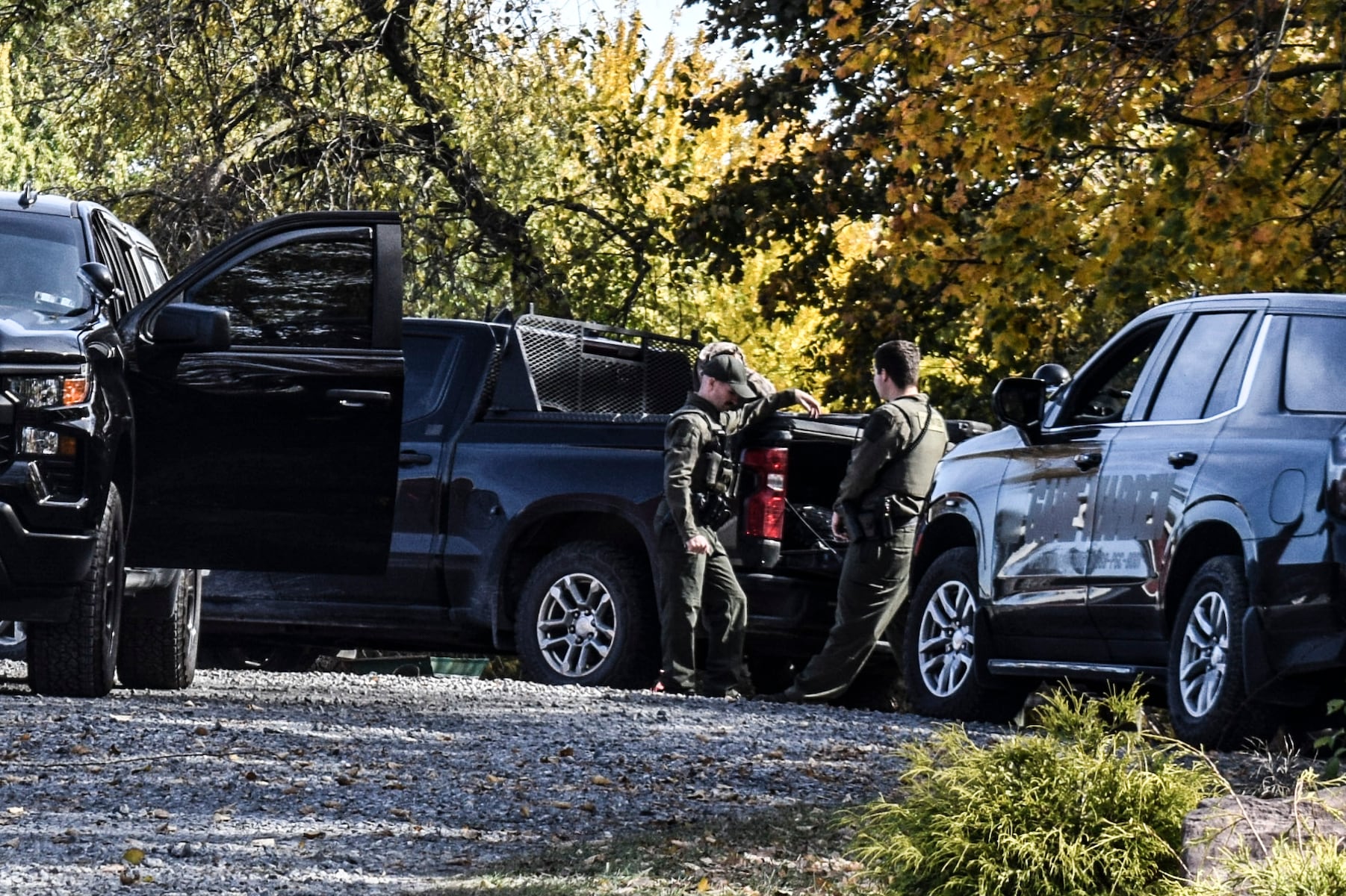
In this story
On a cold Sunday morning, the quiet of the Slate Belt was shattered by the swift presence of state investigators. Neighbors watched from their windows as law enforcement officers moved with purpose, their focus on a modest home owned by Michael L. Stine. Inside, authorities uncovered more than just the usual hunting gear — they found evidence that could unravel a suspected poaching operation threatening the integrity of local wildlife and the community’s respect for lawful hunting practices.
What Happened
According to court records, the Pennsylvania Game Commission conducted a search of Stine’s residence after receiving tips about illegal hunting activities. The search yielded three eight-point deer heads, a significant find given the legal restrictions on deer hunting and the importance of maintaining healthy deer populations. Alongside the trophies, investigators discovered a cache of venison, hunting permits, and various hunting gear, raising questions about the legality of the activities conducted on or around the property.
The discovery of the deer heads, particularly the eight-point antlers, suggests the animals were taken outside of the legal hunting seasons or without proper permits, which are strictly enforced under Pennsylvania law. The investigation is ongoing, but the initial findings point toward potential violations that could carry hefty fines or criminal charges. The case underscores the importance of adhering to regulations designed to protect wildlife and ensure sustainable hunting practices.
Community Reaction
The news of the investigation has stirred concern among residents and local hunters alike. Many in the community value the tradition of hunting as a means of responsible wildlife management and a way to bond families and friends. However, poaching — illegal hunting — threatens these traditions, and community leaders are calling for accountability.
Protecting Our Heritage
Local hunters and conservationists emphasize that lawful hunting is vital for controlling deer populations and preventing overgrowth that can lead to vehicle accidents and damage to crops. “Responsible hunters follow the rules because they care about the land and the animals,” said John Miller, president of the Slate Belt Hunting Association. “Poaching undermines all of that and disrespects the hard work of those who hunt legally.” The community’s response reflects a shared desire to uphold the values of integrity, faithfulness to laws, and respect for God’s creation.
Why It Matters to Slate Belt
The Slate Belt, a region renowned for its scenic beauty and rich history, has long been a haven for outdoor enthusiasts, hunters, and families seeking a peaceful connection with nature. The area encompasses parts of Northampton and Monroe counties, where rural landscapes, forests, and farmland form the backdrop for a community deeply intertwined with hunting traditions. For generations, local families have passed down stories of successful hunts, outdoor skills, and respect for wildlife, making hunting more than just a pastime — it’s a cornerstone of local culture.
This incident strikes at the heart of those traditions, raising concerns about the erosion of responsible hunting practices. Many residents worry that illegal activity could tarnish the reputation of the community and threaten the sustainability of local wildlife populations. Moreover, the presence of poaching can lead to stricter regulations and enforcement, which might inadvertently restrict lawful hunters’ activities. The community’s collective response will shape how the Slate Belt preserves its outdoor heritage amid modern challenges.
Local People Involved
Michael L. Stine, the homeowner at the center of the investigation, is a lifelong resident of the Slate Belt. Known locally as a passionate hunter and outdoorsman, Stine has participated in community hunts and conservation efforts over the years. However, the recent allegations cast a shadow over his reputation, prompting questions about whether this was an isolated incident or part of a larger pattern of illegal hunting.
Community leaders and neighbors express mixed feelings. Some are shocked, emphasizing that Stine has been a respected figure in local conservation circles. Others call for transparency and justice, stressing that illegal activity must be addressed regardless of the individual involved. The case serves as a reminder that even those with longstanding ties to the community must adhere to the law to maintain the integrity of local traditions.
What’s Next for the Community
The Pennsylvania Game Commission is continuing its investigation, with court proceedings expected to determine whether charges will be filed against Stine. If convicted, he could face fines, loss of hunting privileges, or even criminal charges, depending on the severity of the violations. The case is likely to set a precedent in the region, emphasizing the importance of lawful hunting and wildlife conservation.
In the meantime, local authorities and conservation groups are ramping up efforts to educate the public about the importance of following hunting laws. Community meetings, outreach programs, and conservation initiatives are being promoted to reinforce responsible practices and prevent future violations. Many residents are calling for increased patrols and surveillance, especially during hunting seasons, to deter illegal activity and protect the area's natural resources.
The Role of Community Vigilance
Community vigilance plays a vital role in safeguarding wildlife and maintaining the region’s outdoor traditions. Residents are encouraged to report suspicious activity, such as illegal hunting or trespassing, to authorities. The local sheriff’s office and the Pennsylvania Game Commission have set up dedicated hotlines and online portals for anonymous tips, emphasizing that collective effort is essential to preserve the area’s natural beauty.
This incident also highlights the importance of youth education. Local schools and community groups are increasingly incorporating outdoor ethics and conservation lessons into their curricula, aiming to instill respect for wildlife among the next generation. Such programs foster a sense of stewardship that can help prevent poaching and illegal hunting in the future.
Looking Forward
As the investigation unfolds, community leaders are hopeful that this case will serve as a wake-up call for responsible hunting and conservation. They envision a future where families continue to gather in the woods, sharing stories and passing down traditions rooted in respect and lawful stewardship. The community’s collective effort to uphold these values is crucial for ensuring that the Slate Belt remains a vibrant, safe, and environmentally healthy region for years to come.
In broader terms, this incident underscores the ongoing challenge of balancing human activity with wildlife preservation. It reminds us that responsible hunting, supported by education and community engagement, is essential to maintaining ecological balance. The Slate Belt’s natural beauty and outdoor heritage are treasures worth protecting, and the community’s response now will determine how well those treasures are preserved for future generations.
Ultimately, the case of the deer heads found at Michael L. Stine’s home is more than just a legal matter — it is a reflection of the values that define the Slate Belt community. Upholding integrity, respecting the land, and fostering a culture of conservation are the keys to ensuring that the region’s outdoor traditions thrive in harmony with its natural resources.