
Community
Final preparations underway in Columbia County ahead of Election Day
By Emily Vargas
Advertisement · Why this ad?
Sofia Patel is a community-focused journalist with a bachelor’s degree from Chatham University and over 6 years of experience reporting on neighborhoods in and around Pittsburgh. She has previously contributed to City Paper, where her in-depth profiles showcased the diverse voices and stories from various communities.
More from Sofia →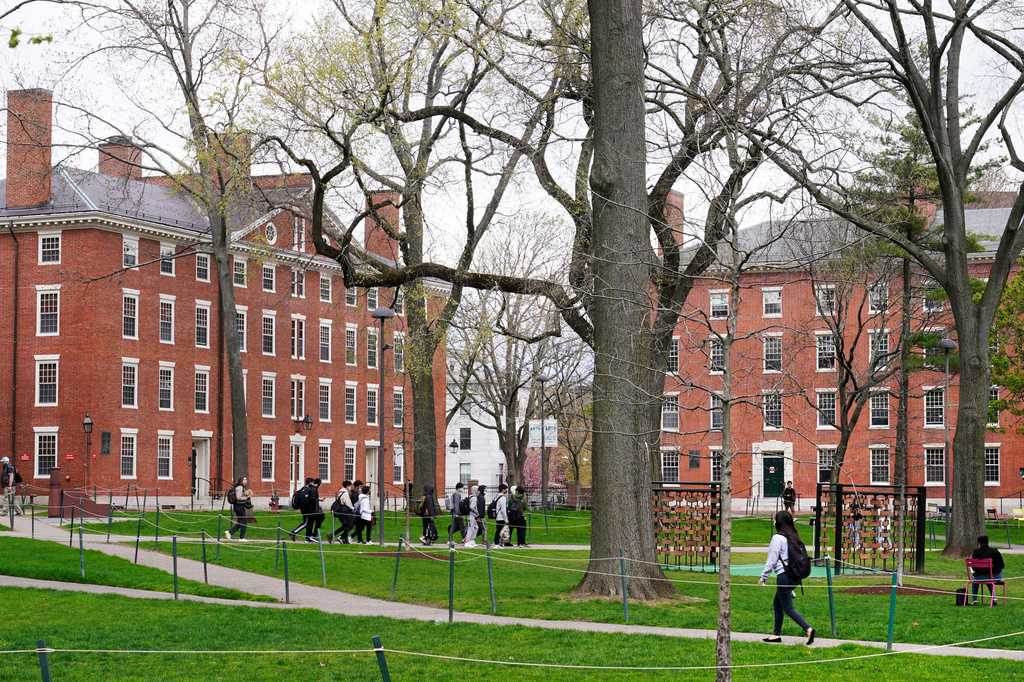
On a brisk autumn morning in Pittsburgh, as leaves danced in the wind, a group of local college students gathered at a coffee shop near the University of Pittsburgh, sharing their dreams of higher education. Among them was Maria Lopez, a first-generation college student, who spoke passionately about her aspirations to attend an Ivy League school. "I want to be part of a community that values diversity and excellence," she said, her eyes sparkling with hope. But for many students like Maria, the path to such prestigious institutions can be fraught with challenges, especially in light of recent legal developments.
On Monday, a federal judge dismissed a lawsuit against Harvard University, which had been filed by the Justice Department. The lawsuit alleged that Harvard failed to comply with a federal demand for admissions data as part of an investigation into the university's affirmative action policies. This ruling has significant implications not only for Harvard but also for students across the nation who aspire to attend elite colleges.
The Justice Department's investigation sought to determine whether Harvard's admissions practices discriminated against Asian American applicants. The lawsuit claimed that the school's methods might violate civil rights laws, raising questions about fairness in the admissions process. However, the judge's dismissal indicates a legal victory for Harvard, allowing the university to maintain its current admissions practices.
The origins of this case date back several years, reflecting a broader national conversation about affirmative action in higher education. With changing demographics and increasing scrutiny on how colleges select their students, the debate over admissions policies has intensified. The Justice Department's involvement underscores the federal government's interest in ensuring that all students have equal opportunities, regardless of their background.
Harvard has long defended its admissions process, arguing that it considers a multitude of factors beyond just test scores and grades. The university emphasizes the importance of a holistic review, which includes personal essays, recommendations, and extracurricular activities. However, critics argue that such practices may inadvertently disadvantage certain groups, particularly Asian American applicants, who often excel academically.
The implications of this ruling extend far beyond the walls of Harvard. For students in Pittsburgh and across the nation, the outcome of this case could shape their educational futures. Many local high school seniors, like Maria, are closely following these developments, as they directly impact their chances of being admitted to their dream schools.
As the conversation surrounding admissions practices continues, local organizations are stepping up to support students navigating the college application process. Programs like the Pittsburgh Chamber of Commerce and various nonprofit initiatives are working tirelessly to provide resources and mentorship for aspiring college students. They aim to ensure that all students, regardless of their background, have access to the information and support they need to succeed.
One such initiative is the Pittsburgh College Access Program (PCAP), which focuses on helping underrepresented students gain admission to college. PCAP offers workshops, college tours, and one-on-one mentoring, connecting students like Maria with experienced mentors who can guide them through the complex admissions landscape. This program has seen an increase in participation since the lawsuit was filed, as students seek clarity and support in light of the changing legal environment.
Local educators and community leaders have expressed mixed feelings about the ruling. Dr. Emily Carter, a guidance counselor at a Pittsburgh high school, shared her thoughts: "This decision could set a precedent for how admissions practices are scrutinized. It’s essential that we continue to advocate for fairness and transparency in the process." Her sentiments echo those of many who believe that while the ruling may benefit Harvard, it raises important questions about equity in education.
Meanwhile, students like Maria are left to wonder what this means for their futures. "I just want to be evaluated on my merits," she said, reflecting the hopes and concerns of countless peers. The ruling has sparked discussions among students about the importance of advocating for their rights in the admissions process, urging them to remain engaged and informed. In response, student-led organizations at local high schools are organizing forums to discuss these issues, promoting awareness and activism among their peers.
With the dismissal of the lawsuit, Harvard University can continue its admissions practices without immediate legal challenges. However, the broader implications of this case are likely to resonate within the higher education community for years to come. As discussions about affirmative action and equity in admissions evolve, other institutions may find themselves facing similar scrutiny.
Experts predict that this ruling may embolden other universities to maintain their current practices, while also encouraging ongoing dialogue about the need for reform in admissions processes nationwide. As colleges and universities navigate these complex issues, the voices of students and advocates will play a crucial role in shaping the future of higher education. The community must remain vigilant, as the landscape of admissions practices continues to shift.
For students in Pittsburgh seeking guidance on college admissions, several resources are available. The Pittsburgh Guidance Coalition offers workshops and one-on-one mentoring sessions, helping students to navigate the often overwhelming application process. Additionally, the National Association for College Admission Counseling provides valuable information and support for prospective college students.
Local libraries and community centers also host events focused on college readiness, providing students with the tools they need to succeed. By leveraging these resources, aspiring college students can better prepare themselves for the challenges ahead, ensuring that they are well-equipped to pursue their dreams. Furthermore, local businesses are increasingly getting involved, offering scholarships and internships to help students gain practical experience and financial support.
The dismissal of the lawsuit against Harvard may mark a pivotal moment in the ongoing discourse surrounding college admissions. As students like Maria continue to dream big, the community must rally around them, providing support and resources to navigate the complexities of higher education. The resilience of Pittsburgh's youth, coupled with the commitment of local organizations, offers hope for a brighter future.
As the landscape of higher education continues to evolve, it is essential for students, educators, and community members to stay engaged in the conversation. The fight for fairness and equity in admissions is far from over, and together, we can ensure that every student has the opportunity to achieve their dreams. The outcome of this case serves as a reminder of the importance of advocacy and community support in the pursuit of educational equity.
By Emily Vargas

By Emily Vargas

By Emily Vargas
By Emily Vargas