Real Estate
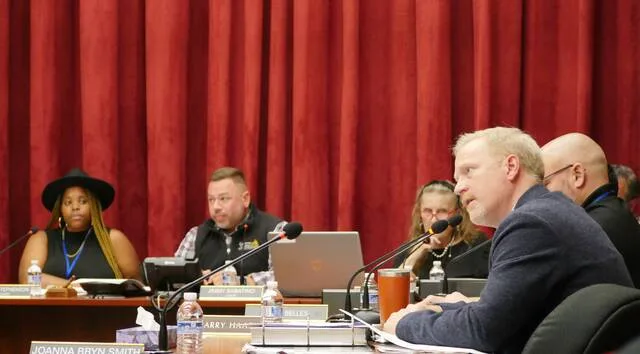
Raises approved for Luzerne County human services first-level supervisors
By Samantha Fischer
Advertisement · Why this ad?
Maya graduated from the University of Scranton with a degree in Communications and has over 15 years of experience in local journalism. She has previously worked as the editor for the Times Leader and has a knack for connecting with community members, ensuring their stories are heard.
More from Maya →
The feeling of constant fatigue, that nagging thirst that no amount of water seems to quench – these can be more than just signs of a busy life. As November marks National Diabetes Awareness Month, it’s a good time to consider what our bodies are telling us, especially here in Northeastern Pennsylvania. Medical research tells us that nearly 9 million Americans are living with diabetes and don’t even know it, and the subtle nature of early symptoms can make it easy to miss. This is a critical issue, particularly in Wilkes-Barre, where families juggle work, school, and the demands of everyday life, sometimes overlooking the quiet signals our bodies send.
Diabetes, at its core, is about blood sugar – or glucose – levels that are too high. This happens when our bodies either don’t produce enough insulin, or when the insulin we do produce doesn’t work properly. Insulin, a hormone produced by the pancreas, acts like a key, unlocking our cells to allow glucose to enter and provide energy. When that key isn’t working correctly, glucose builds up in the bloodstream, leading to a host of complications. According to Dr. Alfred Casale, nearly 9 million people in the U.S. have diabetes but remain undiagnosed, highlighting the importance of awareness and early detection.
There are two main types of diabetes. Type 1 diabetes typically develops when the body’s immune system attacks the cells in the pancreas responsible for insulin production. While it can occur at any age, it’s most often diagnosed in children and teens. Type 2 diabetes, far more common – affecting over 90% of those with the disease – develops when cells become resistant to insulin, eventually leading the pancreas to struggle to keep up. This type often develops gradually over years, making early detection even more challenging. Centers for Disease Control and Prevention offers valuable resources for understanding both types of diabetes.
The prevalence of Type 2 diabetes, particularly among children and teens, is a growing concern. Factors like sedentary lifestyles and dietary habits are contributing to this trend, impacting the health and well-being of our younger generations. It underscores the importance of promoting healthy habits and awareness within our schools and families. As a community, we need to look out for our neighbors and help each other prioritize health.
The hallmark of diabetes is elevated blood sugar, but often, symptoms appear *before* a diagnosis is made. These early signs can be so mild, they’re easily dismissed as just feeling a little off. Feeling unusually hungry or tired can be an early indicator. When glucose can't reach our cells efficiently, our bodies signal a need for more energy, leading to persistent fatigue and a constant craving for food. Dr. Casale explains that these mild symptoms can progress quickly if not addressed.
Frequent urination and excessive thirst are also common warning signs. As excess sugar passes through the kidneys, the body makes more urine to flush it out, leading to a higher need to use the bathroom and a constant sensation of thirst. This, in turn, draws fluids from the body. Blurred vision can also occur as high blood sugar damages the delicate blood vessels in the eyes. National Eye Institute provides information on diabetic eye disease and its prevention.
While early symptoms are often subtle, certain signs demand immediate medical attention. Severe stomach pain, nausea, weakness, rapid breathing, a fruity smell on the breath (a sign of ketoacidosis), and wounds that won’t heal are all red flags. These can indicate a dangerous escalation of the condition and require urgent care. It’s important to trust your instincts; if something feels seriously wrong, don't hesitate to seek medical help. A trip to the emergency room is always better than ignoring a potentially life-threatening situation.
The rise in diabetes cases, especially Type 2, poses a significant challenge to our community's health and economy. Untreated diabetes can lead to serious complications like heart disease, kidney failure, nerve damage (neuropathy), and blindness – all of which place a heavy burden on our healthcare system and impact the quality of life for individuals and their families. The emotional toll on those diagnosed, and their loved ones, is also significant. Supporting each other through these challenges is crucial – whether it’s sharing information, offering encouragement, or simply being a listening ear.
For families, diabetes can mean significant changes in lifestyle and routine. Parents may find themselves juggling doctor's appointments, dietary restrictions, and monitoring blood sugar levels. It's a reminder of the importance of strong family support systems and open communication. And for our local businesses, a healthier community translates to a more productive workforce and a stronger economy.
Seeing these subtle symptoms highlighted reminds me of my own grandmother, who lived with diabetes for many years. It wasn't always easy, but her resilience and the unwavering support of her family were remarkable. It’s a stark reminder that health isn't just about individual choices; it's about community support and accessible resources. I worry about the increasing number of children diagnosed with Type 2 diabetes – it's a reflection of broader societal trends and underscores the urgent need for education and preventative measures.
What concerns me most is that so many people are unaware they even have diabetes. The gradual nature of the disease means symptoms can be easily dismissed or attributed to other factors. We need to encourage open conversations about health within families and communities. It's not just about diagnosing diabetes, but about fostering a culture of wellness where people feel comfortable seeking help and prioritizing their health. I hope this article serves as a gentle nudge for everyone in our area to check in with themselves and their loved ones – a simple conversation could make a world of difference.
Fortunately, there are numerous resources available to help those at risk or already diagnosed with diabetes. The American Diabetes Association offers a wealth of information, support groups, and educational programs. Local healthcare providers, like those at Geisinger, can provide screenings, diagnosis, and ongoing care. Our county’s health department also offers valuable resources and programs. Early intervention and consistent management are key to living a healthy life with diabetes.
National Diabetes Awareness Month is a crucial opportunity to raise awareness and encourage proactive health management. The key takeaway is to be vigilant about your body’s signals and seek medical attention promptly if you notice any concerning symptoms. Regular check-ups, coupled with a healthy lifestyle, can significantly reduce the risk of developing diabetes and its complications. Let's work together to build a healthier, more informed community, one conversation and one health check at a time. City of Wilkes-Barre offers various community health initiatives and resources.
Dr. Alfred Casale’s expertise and commitment to sharing this vital information are invaluable to our community. His insights serve as a reminder that proactive healthcare is an investment in our future – a future where families thrive and individuals live long, healthy lives. Supporting local journalism ensures that these important messages continue to reach those who need them most.
By Samantha Fischer

By Marcus LeBlanc

By Samantha Fischer

By Tina Chang