
Real Estate
To Your Health: Symptoms of diabetes can be subtle
By Maya Rodriguez
Advertisement · Why this ad?
Sophia is a graduate of Bloomsburg University with a focus on education journalism. She has spent the past four years covering school board meetings and educational initiatives for local outlets like the Hazleton Standard Speaker.
More from Sophia →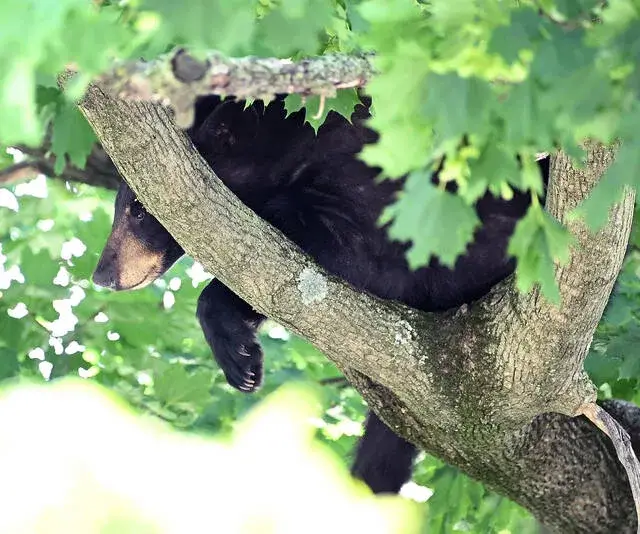
The image of a bear rummaging through trash bins, captured on a phone camera in the quiet hours of a Coshocton County night, is a striking symbol of a remarkable shift unfolding across Ohio. Brandan Smith, startled awake by the sound of something large in his driveway, captured that moment—a black bear, bold and unfazed—in a video that speaks to a resurgence of a species once vanished from the state’s landscape. While black bears virtually disappeared from Ohio in the mid-1800s due to habitat loss and hunting, recent years have seen a dramatic increase in sightings, signaling a possible comeback for these magnificent creatures, and prompting questions about how we, as communities, can coexist with them.
The bear sighting at Brandan Smith’s Coshocton County home in mid-July 2026 wasn't an isolated incident. It was part of a larger trend: a significant rise in black bear sightings across Ohio. According to the Ohio Department of Natural Resources (ODNR), more than 1,500 bear sightings have been reported since 2022. While the majority have been spotted in rural areas near Ohio’s borders with West Virginia and Pennsylvania, black bears have been seen in 69 of Ohio’s 88 counties, and some have wandered into more populated areas, including near Pataskala in Licking County in 2025. Residents across east-central Ohio have shared similar experiences, from Erica Gray finding a bear feasting on her bird feeder to Erin Peoples receiving a notification from her Ring camera showing a bear peering into her house. Carla Miller spotted a bear near Wooly Pig Farm Brewery, and Don Dunlap encountered one while fishing near Wills Creek Dam. The Reporting Project confirmed 16 of 24 reported sightings in Coshocton County alone between May and November 2026, many with photographic or video evidence.
The surge in sightings highlights a fascinating ecological shift. While the ODNR began collecting data on bear observations as early as 1993, the recent spike indicates a significant change in bear distribution and behavior. The state officially changed the black bear’s status from “extirpated” to “endangered” in 1995, acknowledging the species’ tentative return. While the ODNR estimates that nearly a third of the 4,793 bear sightings recorded since 1993 occurred between 2022 and 2025, the Division of Wildlife’s 2026 Ohio Black Bear Monitoring Report details a clear upward trend. The report stated, “On average, over the past 10 years the Division of Wildlife has received 239 black bear sighting reports per year. In 2023, 260 sightings were reported in 49 counties. In 2024 we received 370 sightings in 55 counties. Sightings were the highest on record in 2025 with 537 sightings in 69 counties.”
The Ohio Division of Wildlife encourages residents who spot bears to report them via their online Wildlife Reporting System or by calling 1-800-WILDLIFE (945-3543). This reporting system is crucial for tracking bear movements and understanding population dynamics. The ODNR provides guidance on how to safely interact with bears, emphasizing the importance of remaining calm, slowly backing away, and avoiding actions that might trigger a chase response. Looking large by lifting your arms and making noise can also help deter a bear from approaching.
The story of Ohio’s black bears is a poignant reminder of the impact human activity can have on wildlife populations. Before European settlement, bears were a common sight throughout the state. However, the rapid expansion of farms and settlements in the early 1800s led to widespread deforestation, destroying bear habitat. The relentless pursuit of bears for their fur and as threats to livestock further decimated their numbers. By 1900, forests had dwindled from 95% of the state to just 10%, effectively erasing the bears’ home range. This tragic fate wasn't unique to bears; other large mammals like bison, elk, cougars, and wolves also disappeared from Ohio due to similar pressures.
The ODNR Division of Wildlife’s records reveal a stark timeline.
According to ODNR Wildlife Biologist Katie Dennison, “West Virginia and Pennsylvania have seen a lot of growth in their bear populations. That means the bears are starting to naturally expand to Ohio.” These dispersing bears are typically young males seeking new territories. While most bears in Ohio are “dispersing or transient males” that likely do not stay in the state for long, their increasing presence signals a potential for more permanent populations to establish themselves over time.
The increased bear sightings are undoubtedly causing concern among residents of Coshocton County and other areas where bears have been spotted. The incidents reported—bears rummaging through trash cans, feasting on bird feeders, and peering into windows—highlight the potential for human-wildlife conflict. While most encounters are brief and uneventful, the possibility of a more serious interaction is a valid worry for families, particularly those with young children or pets. For example, Erica Gray’s encounter with a bear resting on her hillside and later raiding her mother’s bird feeder illustrates the potential for bears to become habituated to human food sources. Similarly, the bear peering through the window of Erin Peoples’ house prompted a moment of fear and a reminder of the need for vigilance.
The Ohio Division of Wildlife will continue to monitor bear populations and track sightings through its online reporting system and ongoing research. The division will likely focus on educating the public about bear safety and responsible waste management practices to minimize human-wildlife conflict. Local communities may also need to consider implementing measures to secure trash containers and reduce attractants, similar to strategies used in areas with established bear populations. The long-term success of the bear’s return will depend on ongoing conservation efforts and a commitment from both the state and local communities to create a landscape where bears can thrive without posing a threat to human safety. The Wildlife Management Institute offers resources for understanding and managing wildlife populations.
The return of the black bear to Ohio is a testament to the power of nature's resilience and a reminder of our responsibility to protect the environment that sustains us all. As these magnificent creatures reclaim their place in the Ohio landscape, it’s an opportunity for our communities to learn, adapt, and embrace a future where humans and wildlife can coexist in harmony – a future where families can enjoy the beauty of the natural world, knowing that even the most elusive creatures have a place to call home.
Wilkes-Barre, Pennsylvania
Real Estate
Saturday, November 14, 2026
5 min
By Maya Rodriguez

By Jessica Huang

By Sophia Nguyen

By Marcus LeBlanc